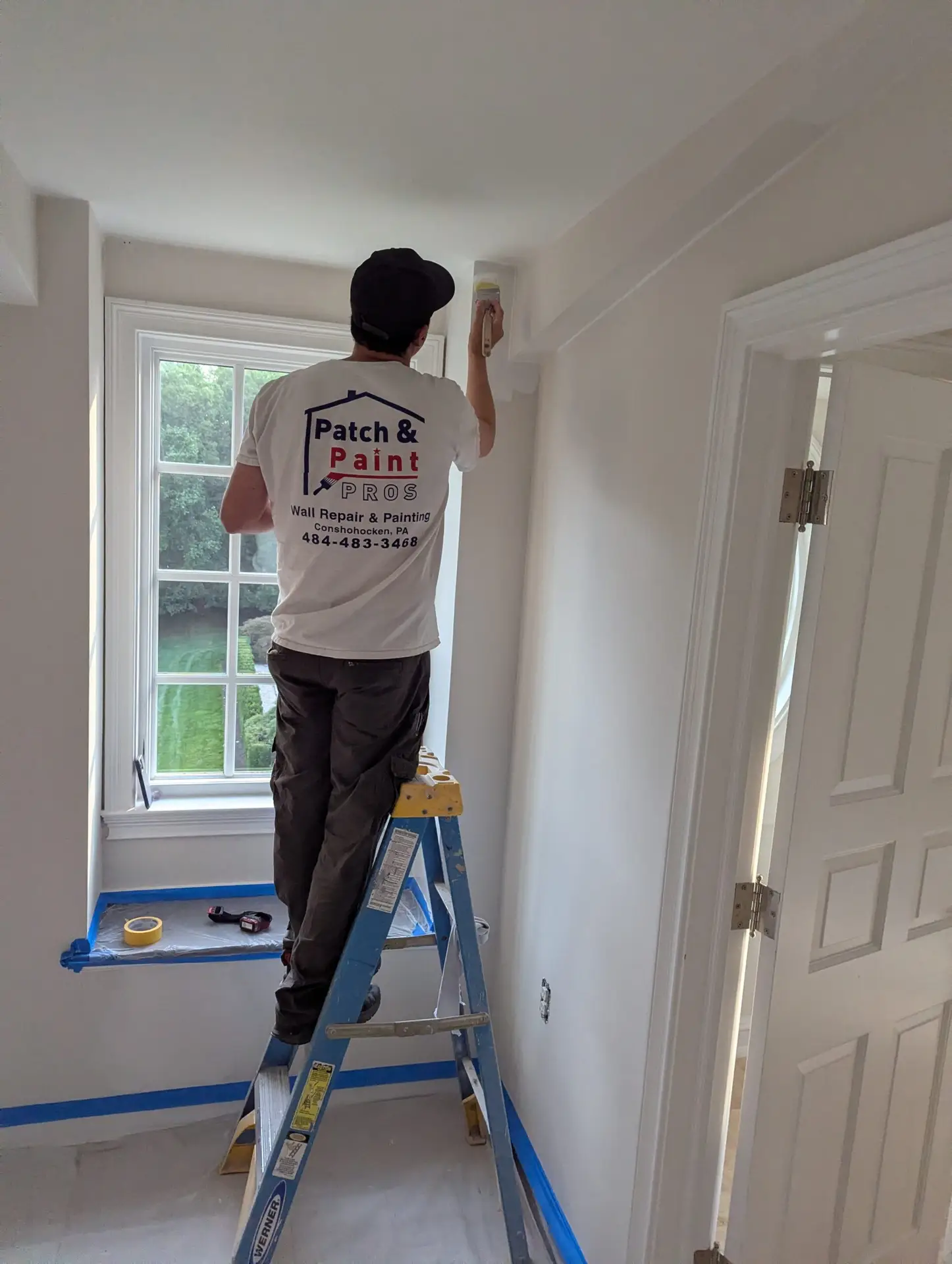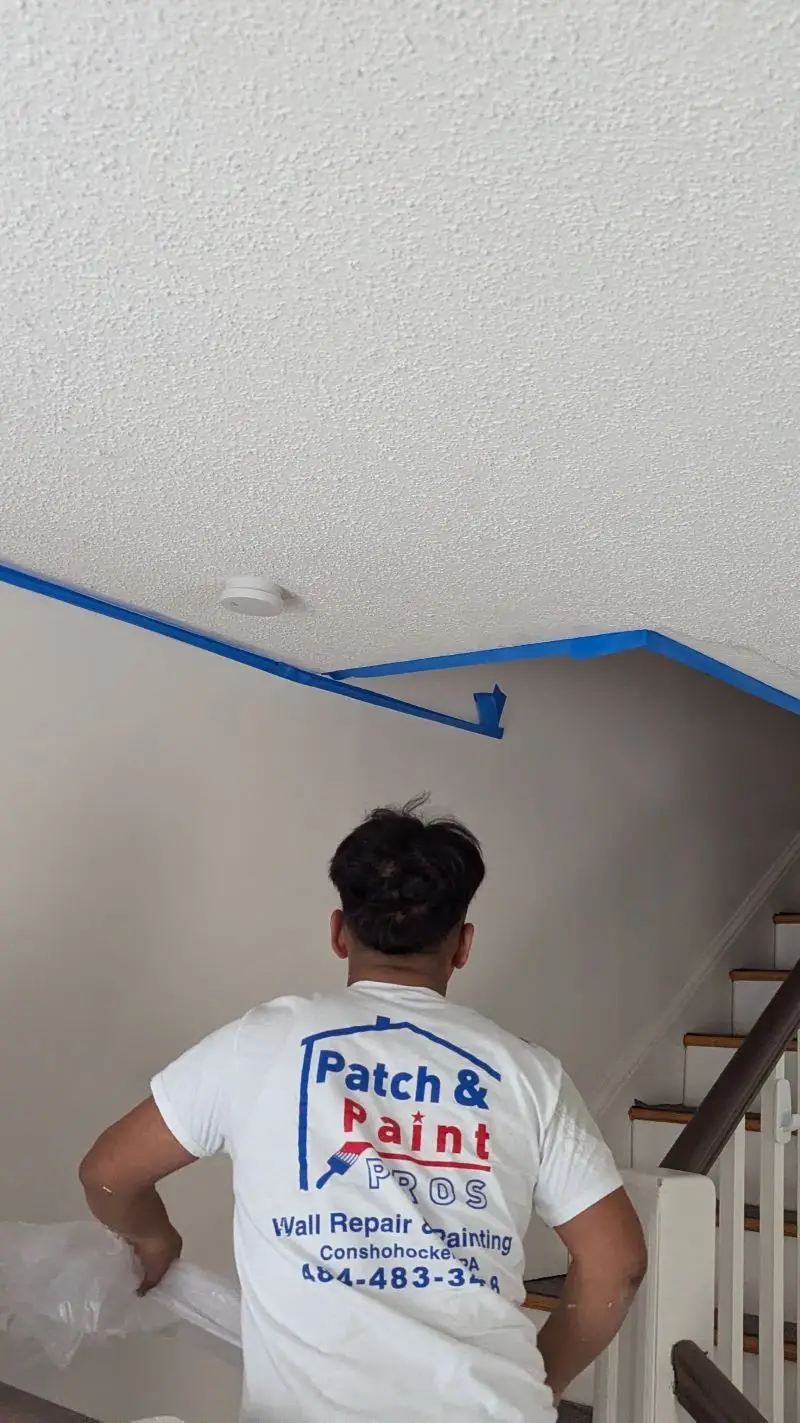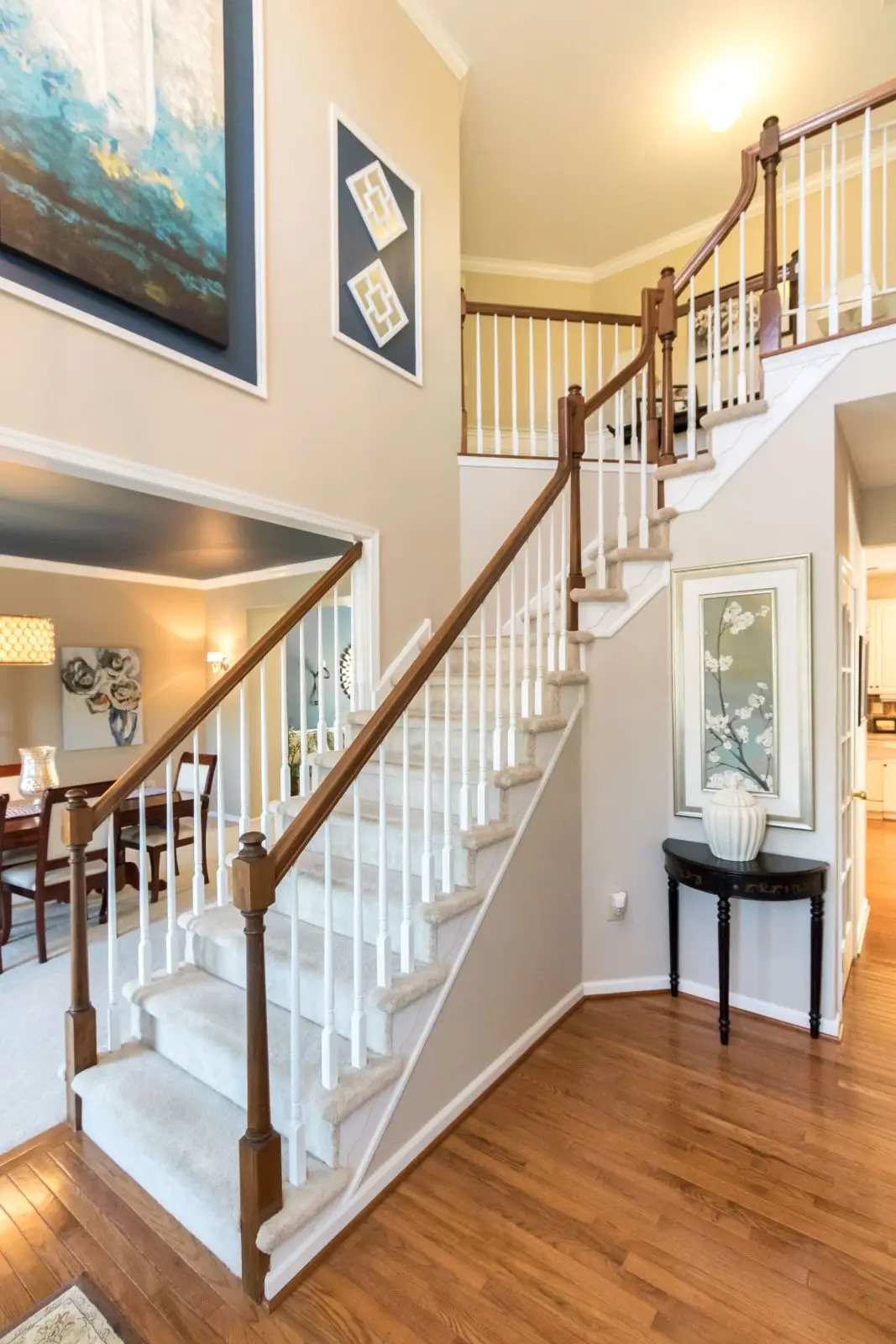
Fresh paint changes how a home feels. It can also show every shortcut. Crooked cut lines, patches that flash through the finish, paint on the hardwood, a crew that leaves before the touch-ups are done. Those are the jobs we get called in to fix.
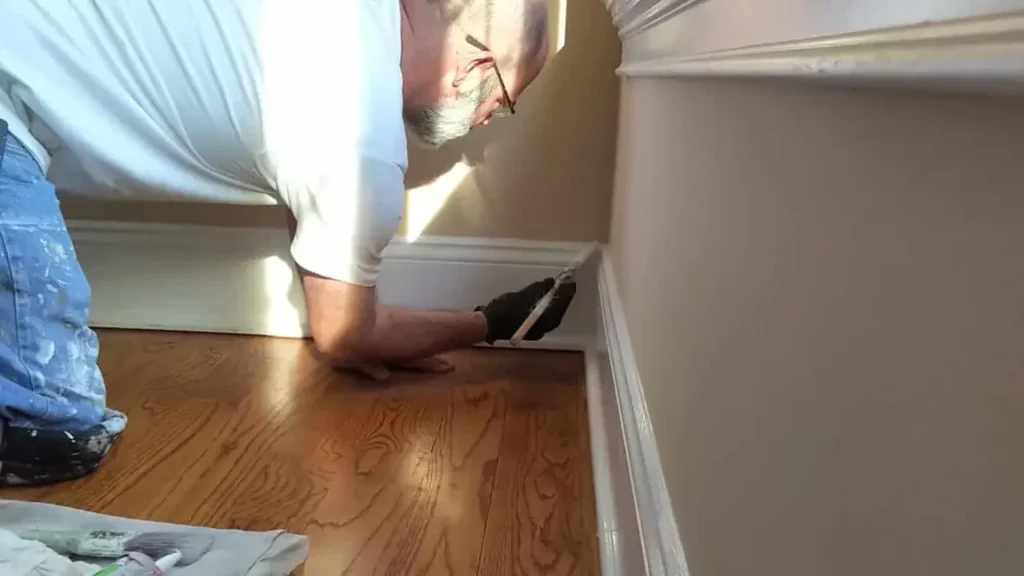
I’m Ryan, and at Patch and Paint Pros we paint the interiors of homes across the Main Line and nearby towns: Conshohocken, Plymouth Meeting, Gladwyne, Villanova, Bryn Mawr, Wayne, Haverford, Ardmore and the rest of Lower Merion. This guide isn’t about doing it yourself. It’s about what you should expect when you hire a painter, so you can tell a careful crew from a fast one. It also covers how we run our own jobs.
Ready to talk about your project? Call us at (484) 483-3468 or email estimates@patchandpaintpros.com to request an estimate.
Why Winter Is a Good Time for Interior Painting
Once the weather turns, exterior work slows down and interior painting is the main event. It’s a smart time to get rooms done before the holidays, before you list a home in the spring, or just when the family is indoors and actually notices the scuffed hallway. Our crews work in occupied homes all winter, and we set up each room so the rest of the house keeps running normally.
Built for Older Main Line Homes and Plaster Walls
A lot of homes around here have plaster walls, detailed trim, built-ins and decades of paint layers. Those homes deserve more than a quick roll-over. Plaster cracks, settles and bulges in ways drywall doesn’t, and old trim often has chipped or alligatored paint that has to be dealt with before anything new goes on.
“Patch” is in our name for a reason. Repair comes first, then paint. We fix cracks, holes and damaged areas in both plaster and drywall so the finished wall looks like one smooth surface, not a wall with patches painted over.
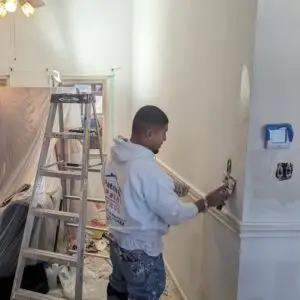
What a Proper Interior Paint Job Includes
Here’s how our crew handles a typical interior project from start to finish.
1. A Walkthrough and a Clear Estimate
We start by walking the rooms with you. We look at the condition of the walls, ceilings and trim, talk about colors and finishes, and note any repairs. Your estimate spells out what’s being painted (walls, ceilings, trim, doors and so on), what prep and repair is included, and what products we plan to use. That way nobody’s guessing later.
2. Protecting Your Home
Before anything gets sanded or opened, we protect the space. Floors are covered. Furniture is moved to the center of the room and covered, or moved out if needed. We take down wall hangings and window treatments with care and protect what stays, like fixtures and built-ins.
3. Surface Prep and Repair
This is the step that decides how the job looks in five years. Depending on the room, prep can include:
- Cleaning surfaces so paint bonds properly, especially in kitchens and baths
- Filling nail holes, dents and gouges
- Repairing cracks and damaged areas in plaster and drywall
- Sanding repairs and glossy surfaces smooth
- Scraping and feathering any loose or failing paint on trim
- Caulking gaps at trim, baseboards and casings so the lines look tight and finished
4. The Right Primer
Primer isn’t optional when the surface calls for it. We spot-prime repairs so they don’t show through the topcoat. We use stain-blocking primer over water marks and smoke stains, and we prime fresh plaster or drywall repairs and big color changes. Older homes sometimes have oil-based paint on the trim, and that needs the right bonding primer before a modern finish goes on.
5. Finish Coats and Clean Lines
Most walls get two finish coats for full, even color. We’ll tell you up front if a room needs more. Cut lines at ceilings, trim and corners are done by hand and kept straight. Trim and doors get a durable finish that holds up to hands, pets and vacuums.
6. Cleanup and Final Walkthrough
At the end of each day, we leave rooms tidy and safe to use where we can. At the end of the job, we put the room back together, clean up, and walk it with you. If you spot something you’re not happy with, we fix it before we call the job done.
Choosing Colors and Finishes
Picking colors is the fun part, and it’s also where people second-guess themselves. A few things we talk through with every client:
- Light changes everything. A color that looks perfect on a chip can look completely different in a north-facing room in January. We recommend large samples on the actual walls, checked in the morning and evening.
- Sheen matters as much as color. Flatter finishes hide imperfections and suit ceilings and formal rooms. Eggshell and satin are easier to wipe down in hallways, kitchens and kids’ rooms. Semi-gloss is the usual choice for trim and doors.
- Work with the house. Older Main Line homes often look their best with colors that respect the architecture. Many people today go with warm whites, soft greiges, muted greens and deep blues paired with crisp trim.
- Quality paint pays off. Premium paints like Sherwin-Williams and Benjamin Moore cover more evenly, touch up better and hold their color. If air quality is a concern, especially in bedrooms and nurseries, we can use low- or zero-VOC products.
What Affects the Cost of Interior Painting
Every home is different, so we price each job after seeing it. The main factors are:
- Size and number of rooms, plus ceiling height and stairwells
- What’s being painted: walls only, or ceilings, trim, doors, windows and built-ins too
- Condition and repairs: plaster cracks, drywall damage and failing paint add prep time
- Color changes: going from dark to light, or the other way, may need primer or extra coats
- Paint and finish: premium and specialty products cost more and last longer
- Access and furniture: full rooms, tall foyers and occupied spaces take more setup
The best way to get a real number is a walkthrough. We’ll give you a written estimate that shows exactly what’s included.
Frequently Asked Questions
How much does it cost to have my interior painted?
It depends on the size of the space, what surfaces are included, how much repair the walls and trim need, and the paint you choose. We don’t quote off a square-foot chart. We walk the home and give you a written estimate for your specific project.
How long will the job take?
A single room, like a standard bedroom, is usually a short job that can be completed in 1-2 days. A full floor or whole house take a week or two, especially with plaster repair or a lot of trim. We’ll give you a schedule with your estimate and keep you posted as we go.
Do I need to move out or stay out of the rooms?
Yes, we need you to try and stay out of rooms while we work. But, if you need to get to the fridge or use the sink, we’re happy to clear a way. We do rooms in an order that keeps your kitchen, bedrooms and daily routine as usable as possible, and we clean up as we go.
What do I need to do to get ready?
Very little. It helps to clear small items, valuables and breakables from the rooms. We take care of the rest of the protection and prep. We’ll go over the details before we start.
Can you repair plaster and drywall before painting?
Yes. Repair is a core part of what we do. We fix cracks, holes and damaged areas in plaster and drywall so the finished walls look smooth and even, not patched.
Can you help me pick colors?
Yes. We’re happy to talk through colors and sheens, recommend sample placement, and share what tends to work in homes like yours. Reach out if you’d like us to put you in touch with a local color consultant.
What happens at the end of the job?
We clean up, put the room back in order, and do a final walkthrough with you. Anything that needs a touch-up gets handled before we leave.
Request Your Interior Painting Estimate
If you want your home painted by a crew that preps properly, protects your things and doesn’t leave until it’s right, we’d like to see your project. We serve the Main Line, Conshohocken, Lafayette Hill, Plymouth Meeting and the surrounding towns.
Call or Text (484) 483-3468 or email estimates@patchandpaintpros.com to schedule your walkthrough and estimate.
Patch and Paint Pros · 3012 Butler Pike, Suite A, Conshohocken, PA 19428