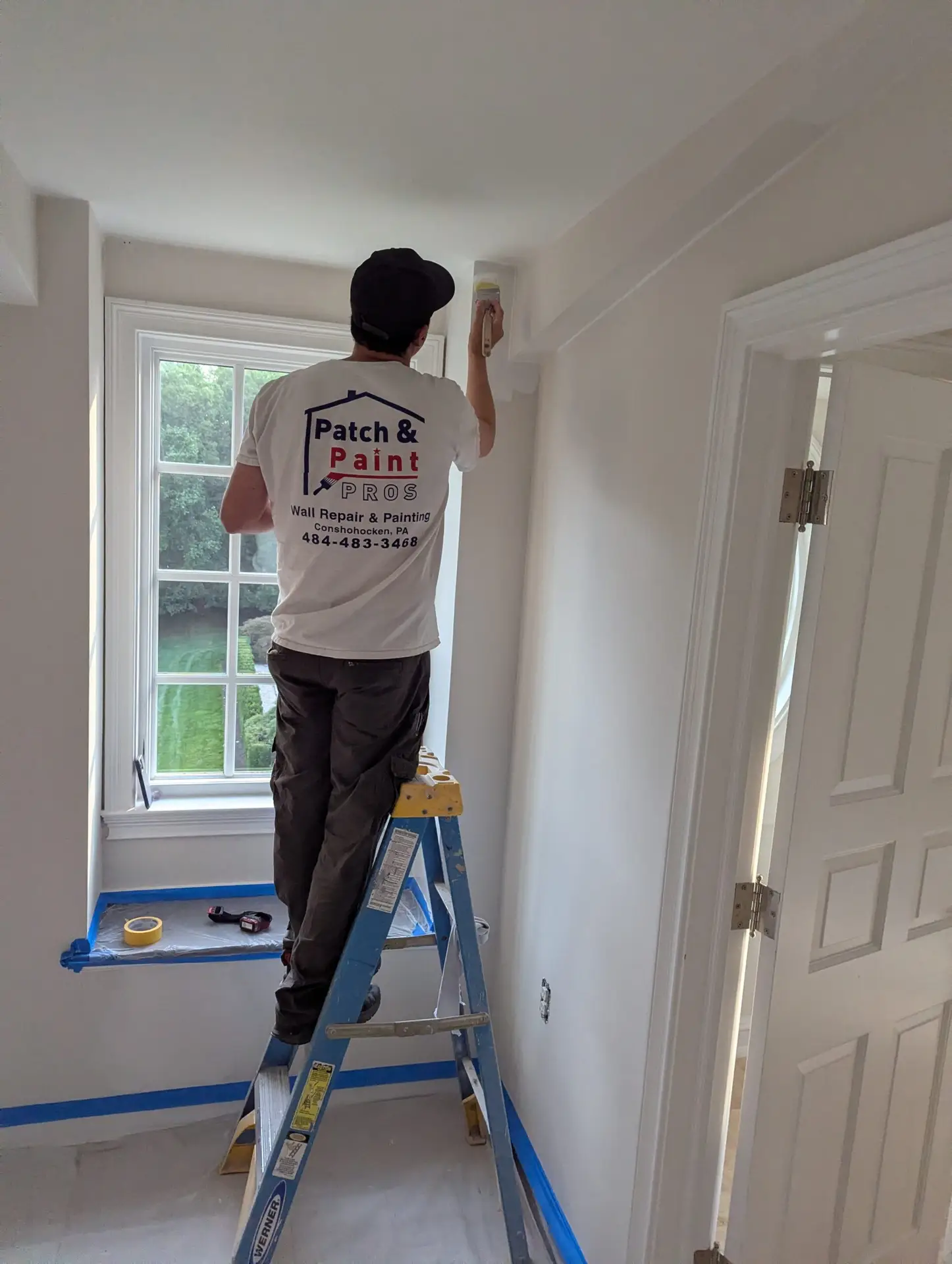
You should paint before listing when scuffs, bold colors, or a peeling exterior cause buyers to mentally discount. Skip a full repaint if walls are already clean and neutral. Typical Main Line full interiors run $15,000-$20,000 over two to three weeks (get a more in-depth look at the cost to paint a house); this page covers whether that job fits your listing timeline, not a magic ROI.
Curb appeal is immediately visible in the listing photo, and the exterior trim and shutters set the first impression for the entire home.
Call (484) 483-3468 to set up a call or estimate with Ryan or project manager Matt. Office hours are weekdays 8am-5pm; after hours, an answering service relays messages. Or request a free estimate through our online form.
When Does Painting Before Selling Actually Pay?
It pays when a buyer walking the first showing would otherwise start a punch list in their head.
- Marked Up Walls: Scuffs, dings, and tired traffic paths in hallways, kids’ rooms, and the wall behind the dining chairs read as “deferred work.” Buyers do not add a line item for a gallon of paint. They round the offer down.
- Bold or Highly Personal Colors: A perfect navy library for you can be a project for the next owner. Warm neutrals, sage, and greige photograph and show more calmly than a custom statement in every room. That is taste and risk, not a promise that a particular palette adds a fixed amount to the sale price.
- Peeling or Chalky Exterior: Curb appeal is found in the listing photo. If the siding or trim is failing, an interior refresh alone will not carry the first impression. Professional trim and door work elevates classic Main Line stone architecture.
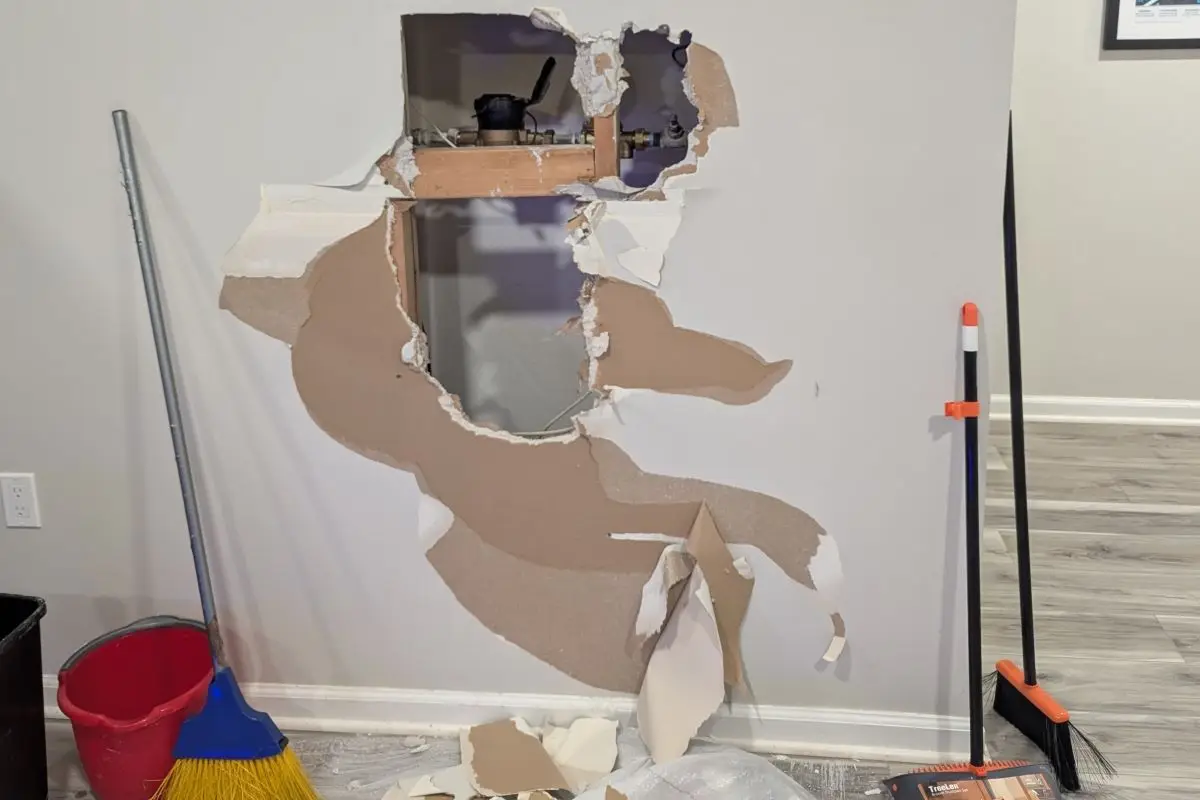
- Stains and Obvious Patches: Water rings, nicotine, or unmatched “someone rolled one wall” repairs tell a story you do not want in the inspection. However, while paint can cover cosmetic history, it cannot hide an active leak (more below).
Paint mostly stops buyers from mentally discounting. It does not magically add a guaranteed dollar amount. Industry write-ups often cite interior paint as a high-recommendation pre-list project; treat those figures as “often cited,” not as a calculator for your address. Your listing date, photos, and how the house shows matter more than a national average.
See in which order you should address projects around the home in our Homebuyer’s Renovation Roadmap.
When Should You Skip a Full Repaint?
Skip a whole-house repaint when the house is already clean, even, and reasonably neutral from normal viewing height. A halogen hunt for every ripple is not what buyers do on a showing, and chasing “perfect” walls costs about twice a normal job (see prep and plaster on the cost page).
Skip or shrink the scope when:
- You’re already in a warm-neutral palette, and the wear is local (then a touch-up day is the better spend).
- The listing is days away, and a rushed, underbid crew is the only option that will “fit.” An 80%-done paint job on listing week is worse than honest, lived-in walls.
- Structural, moisture, or inspection items still sit open. Paint last among those tasks, not first as camouflage.
If budget is the constraint, a targeted first-floor / photo-path repaint plus touch-ups elsewhere usually beats a thin coat everywhere.
Should You Paint the Interior or Exterior First if the Budget Forces a Choice?
If you cannot do both, pick the surface buyers cannot unsee.
Lead with exterior painting when the listing photos are the problem: peeling trim, chalky siding, a front door that photographs tired. A complete exterior refresh photographs cleanly for Main Line listings. Interior painting can wait for a smaller repaint or for the buyer’s own plan, as long as the inside is not a project in every room.
Lead with interior painting when the outside is sound and the inside is scuffed, dated in color, or patched. Most Main Line showings are won or lost in the foyer, kitchen sightlines, and primary suite.
Do not settle for a cheap job on both. Two thin scopes (one-coat exterior + skipped prep inside) read as unfinished. A complete job on the higher-impact side, with touch-ups on the other, is the more honest listing.
Typical interior ranges still apply: full interior painting costs $15,000-$20,000 per 2-3 weeks, paint included; large plaster jobs cost $25,000-$30,000 or more. The exterior has its own walk and weather window, so ask Ryan or Matt to price them separately for you to choose.
What Colors Actually Help a Listing?
Color research gets cited a lot when paint colors are recommended, and to make matters even more confusing, the year and sample changes complicate things further. What we see on Main Line listings is simpler.
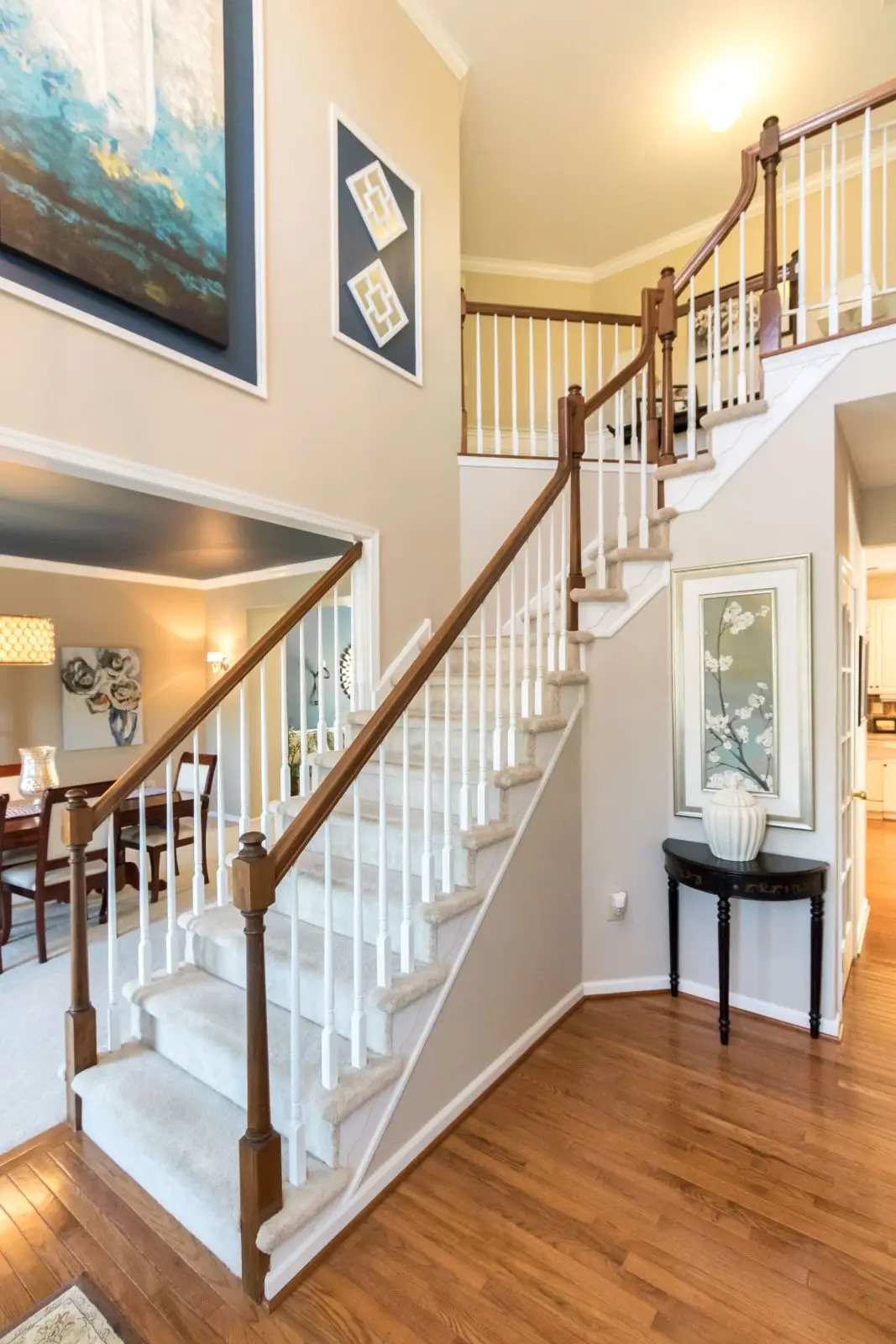
Warm neutrals, sage, and greige photograph cleanly and leave room for the buyer’s furniture. They are not the same as stark builder white in every room. A little warmth in the foyer and living spaces usually shows better than a cold gallery.
Warm neutrals and even walls help buyers see the house, not a punch list.
Do not bank on a national “best color ROI.” We will not invent a percentage. Choose a palette you would still live with through showings, and that a typical buyer would not immediately repaint. Emerald washable flat in neutral hues is our default because it looks even on older plaster and can be touched up later, which is useful if the house sits on the market or if you stay longer than planned.
Bring inspiration photos. We confirm sheen and product on the estimate (Sherwin-Williams Emerald included; Benjamin Moore on request).
How Far Ahead of Listing Photos Should You Paint?
Two to three months before listing is ideal, not because the paint needs that long to cure for photos, but because it leaves room for other trades, punch-list items, and a calm schedule.
With Emerald (and similar low-odor lines), the smell is often gone the same day. You can paint one to two weeks before photos when the calendar is tight. Oil primer on stains or wallpaper glue is the exception that can linger; we flag that on the estimate.
Do not cut the calendar so tight that the only bidder is a crew that disappears when work is at 80%. Listing-date sellers cannot absorb that pattern (see the next section). If photos are already booked, say so on the first call. We can put more painters on site when there is room to work, stay until finished, and use a Saturday finish when that is what the shoot needs.
What Is the Underbid Pattern Listing Sellers Cannot Afford?
We have heard some version of this for years: a low number wins, the job gets about 80% done, the crew runs out of time or money, and they are gone. You are left with cut-in lines, uncovered rooms, and a photographer on the calendar.
That pattern is especially expensive before a listing. A sales-franchise pitch or an uninsured afternoon side hustle can look like a bargain until no one answers mid-week. Continuity is the opposite of that:
- Once we start, crews stay until finished.
- Saturday finish is an option when the listing or photo date needs it.
- We can supply extra painters from our in-house bench (about 12 in the field) when another trade punches holes late, or the schedule compresses.
Cheap “great salesperson” jobs get subcontracted; the person who sold it may not paint. One-person shops are hard to reach mid-day once they start the next house. If you are comparing a suspiciously low pre-list number, read “How to Tell a Real Painting Company from a Sales Franchise” and normalize scope on the cost hub.
What Should a Pre-List Painting Estimate Include?
A pre-list estimate should read like the job, not like a flyer. It should include:
- Rooms and Surfaces: Every area in the photo path and showing path, whether ceiling, walls, or trim, is in the estimate. Closets and back rooms can be scoped as paint, touch-up, or leave-as-is so you can see the tradeoff.
- Product and Coats: Sherwin-Williams Emerald, typically two coats on ceiling, walls, and trim, is named on the page. Matching an existing neutral may not need a full two coats everywhere, and if this is the case, we say so. We can provide Benjamin Moore or another line on request.
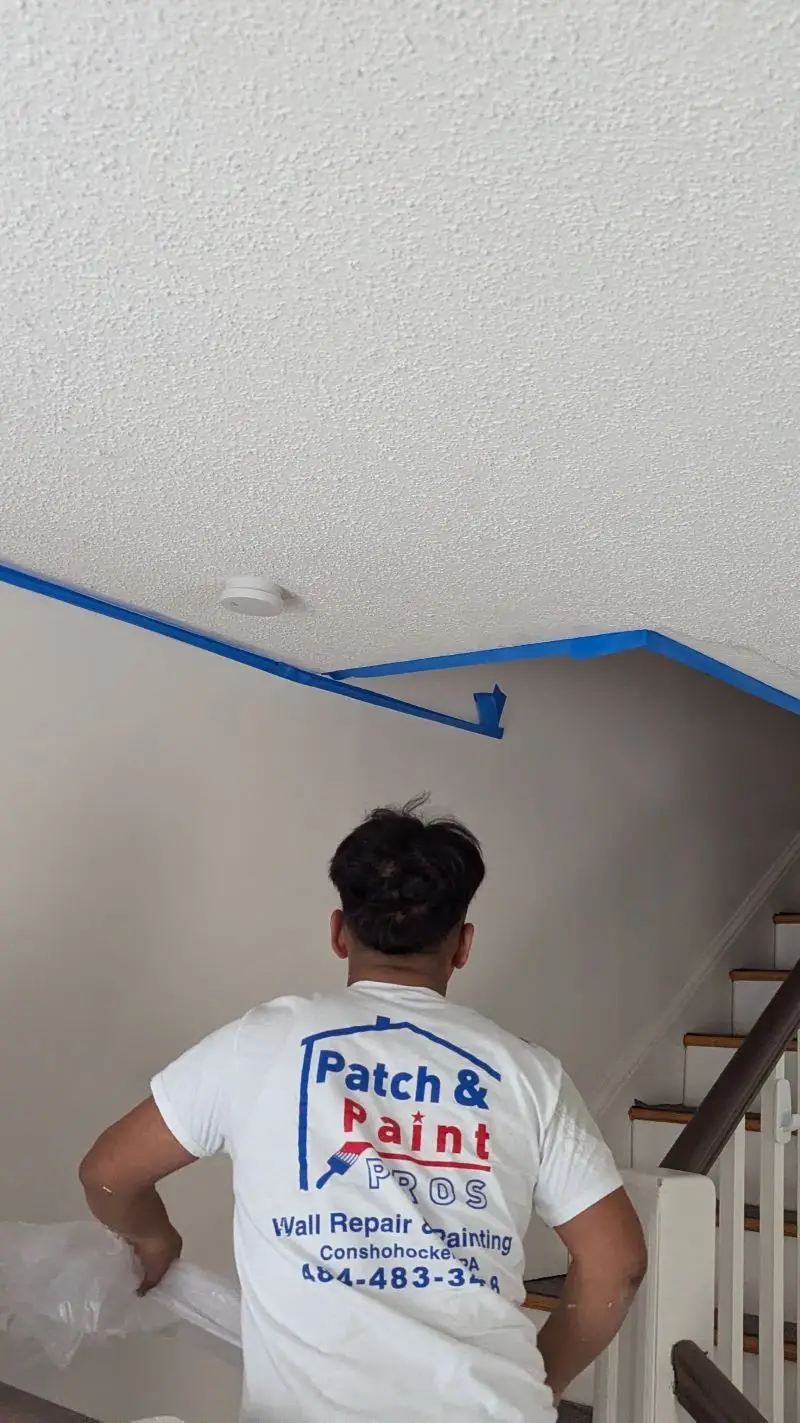
- Prep, Written Out: All of the prep work should be listed out, including sanding before painting, caulking, repairing nail pops and picture-hook holes in drywall, adding oil-based primer on stains, covering floors, protecting furniture, controlling for dust (including a 12-ft plastic where the job needs it), and returning the house to its clean state. If a line only says “prep included,” it is not comparable.
- Schedule Language: Your estimate from Patch and Paint Pros will have a start window, whether crews stay until finished, a Saturday option, and who you text (Ryan, Matt, Meredith, or Connie). Our estimate is also our contract. You pay 50% to start, and the balance is due when you are happy.
When we provide the estimate, we note problems that will need to be addressed before painting can begin. This includes leaks, settlement cracks that will move again, and a wet basement. If we see moisture, we say so, and we would rather you fix drainage than roll over an active stain for photos.
For the full range of costs and why two bids sit 20-25% apart, take a look at our blog, “How Much Does It Cost to Paint a House?”
Can Paint Hide Leaks Before a Listing?
No. Recurring cracks, bubbles, or water stains are usually moisture or settlement, not a bad coat of paint. About half of warranty callbacks trace to water.
If you see a stain, draw a pencil line around it (not pen or marker; those bleed through latex) and watch it for a week or two. If it grows past the line, there is an active leak. Painting over that for a listing is a short-term cosmetic fix and a longer-term inspection problem.
Matt and Ryan both diagnose drainage and leak patterns. Getting runoff a few feet off the foundation is how most “damp basement” houses actually get dry. We will not pretend a repaint is a roof or grading repair.
What Happens if You Paint Now and Sell in a Few Years?
If plans change and you stay, two coats of Emerald now is the difference between a later touch-up day and another full repaint. Washable flat in a stable color can be touched up in about a day or two years later (for approximately $1,000) instead of repainting the room. You can learn more about this path on our touch-up page.
Ready to Walk the Listing Timeline?
If you want a real pre-list plan, not a thin coat and a hope, start with the house, the photo date, and what “done” looks like from the foyer.
Call (484) 483-3468 to set up a call or estimate with Ryan or Matt. The office is open weekdays 8am-5pm, and the after-hours answering service relays your message. Virtual estimates from photos and rough room sizes are available when you cannot get us on site before the listing appointment.
You can also request a free estimate.
We proudly help home sellers prep their homes for listings all across the Main Line, including in:
- Villanova
- Bryn Mawr
- Gladwyne
- Wayne
- Merion Station
- Narberth
- Wynnewood
- Ardmore
- Haverford
- Radnor
- Berwyn
- And more!
FAQs
Should I Paint My House Before Selling on the Main Line?
Paint when scuffs, bold colors, or a peeling exterior would cause buyers to mentally discount the price of your home. Skip a full repaint if the house is already clean and neutral; use targeted touch-ups instead. Paint stops discounting, but it does not magically add a fixed dollar amount to the home’s resale value.
How Soon Before Listing Photos Can You Paint?
Two to three months is ideal. With Emerald, smell is often gone the same day, so one to two weeks before photos can work when the calendar is tight. Do not squeeze so hard that the only option is an underbid crew that may not finish.
If I Can Only Afford the Interior or Exterior, Which Should I Paint?
Paint the exterior when listing photos and curb appeal are the problem. Start with painting the interior when the outside is sound, and the inside is scuffed or strongly colored. Avoid two thin, “cheap” scopes.
What Should a Pre-List Painting Estimate Include?
Your estimate should include rooms and surfaces (ceiling/walls/trim), named paint (Emerald included; BM on request), coat counts, written prep including sanding and dust control, schedule/continuity language, and deposit terms. It should not pretend paint hides leaks.
Will a New Paint Job Add a Specific Dollar Amount to My Sale Price?
We will not quote an invented ROI. Paint is often cited as a high-recommendation pre-list project; the practical effect is that buyers stop rounding the offer down for obvious work. Your photos, timing, and how the house shows matter more than a national percentage.