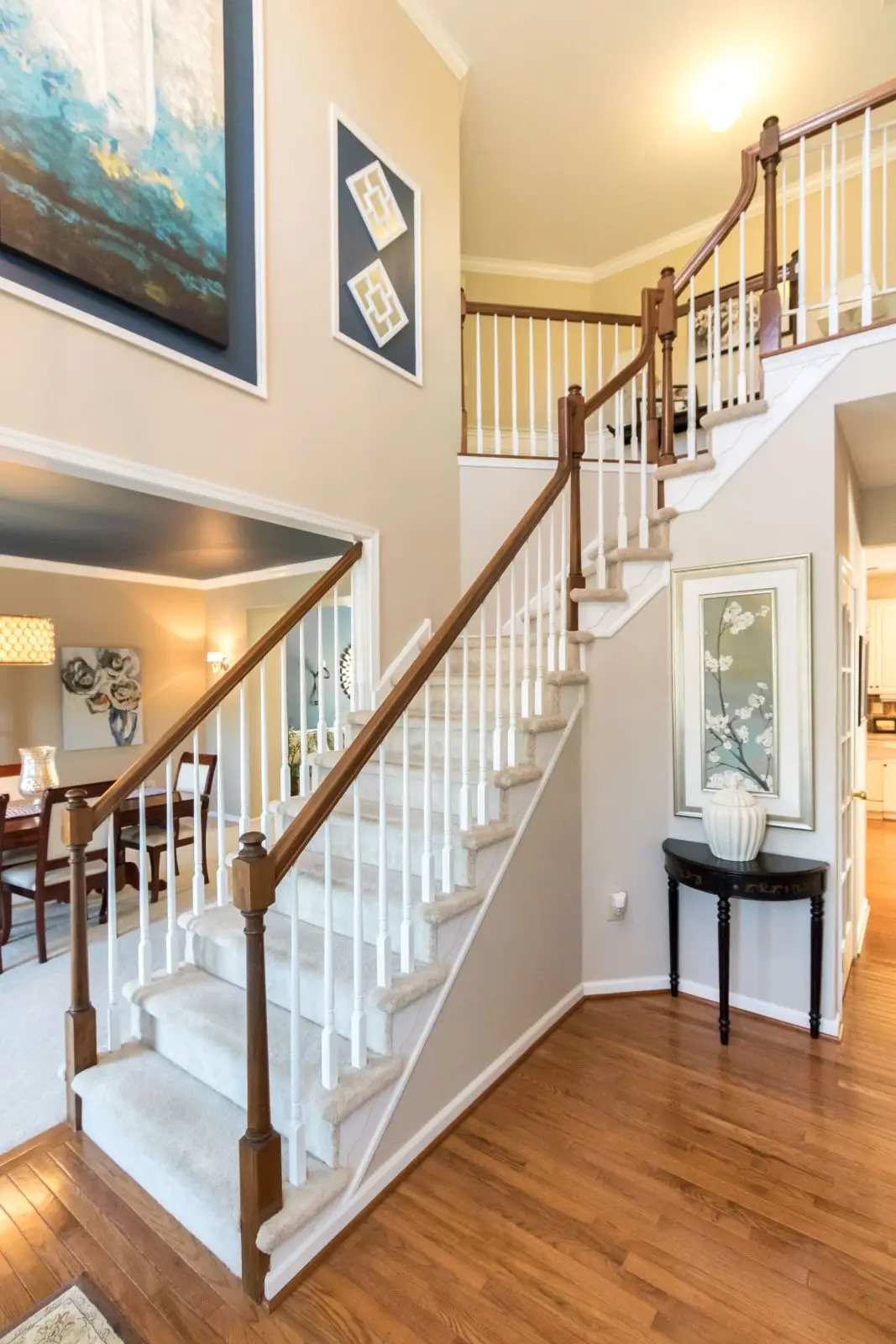
A typical full interior on the Main Line or nearby Philly suburbs costs $15,000-$20,00 over two to three weeks, paint included. Larger plaster homes often land $25,000-$30,000+. A useful ballpark is about $1,000 per typical room. A one-day job that costs approximately $750 is for a small room or a same-color refresh, not a full average-room repaint.
A premium Main Line interior finish, such as a full-house repaint, sits in the typical $15k-$20k range.
If you are planning work in Villanova, Bryn Mawr, Gladwyne, Wayne, Merion Station, Narberth, Wynnewood, Ardmore, Haverford, Radnor, Berwyn, or another Main Line / Philly suburb home, you’re usually shopping for craftsmanship and a clear plan, not the cheapest gallon on the shelf. This page walks through realistic 2026 ranges, why serious bids often sit about 20-25% apart, what actually moves the number, and how to read an estimate so you’re comparing the same job.
Call (484) 483-3468 to set up a call or estimate with Ryan or project manager Matt (who has about 30 years of experience in painting). Our office answers weekdays 8am-5pm. After hours, an answering service relays messages so nothing sits overnight. You can even request a free estimate online.
Selling soon? Read our blog, “Should You Paint Before Selling on the Main Line?
Need a refresh rather than a full repaint? Ask our team about touch-up painting.
How Much Does It Cost to Paint a Main Line House Interior in 2026?
Most paint-only full interiors start around $15,000 to $20,000 (about two weeks of work with paint included). Three-week projects land around $20,000 to $22,000. Larger or more complex plaster homes that still sit in a “paint plus normal repair” band often run $25,000 to $30,000+.
A useful ballpark is about $1,000 per typical room once you’re past a simple refresh, then double or triple that for big two-story foyers and family rooms with spindles. The lightest one-day scopes are usually a small room or a same-color refresh (approximately $750), not a full repaint of an average bedroom.
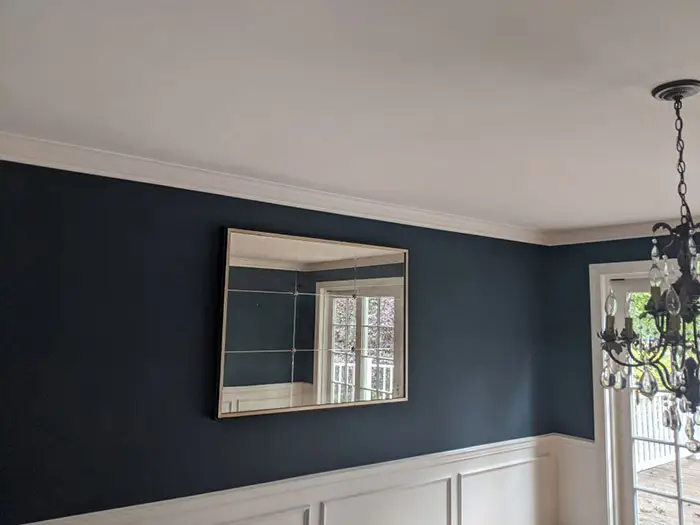
Paint is included in these ranges. Our default is Sherwin-Williams Emerald (washable flat on most walls). Benjamin Moore or another line is available on request and can change the material line on the estimate.
These are orienting ranges for residential interior painting on the Main Line and nearby suburbs, with paint included, not a menu. Your house will land where prep, plaster, and layout put it. They are not the same as a phased skim, texture rebuild, or whole-house plaster restoration. Those are a different job (more below). We keep the public numbers high-level on purpose; the estimate is where the exact scope lives.
Why Do Painting Quotes Vary by About 20-25%?
When two detailed bids land far apart, the gap is usually who is on the crew, what is in the can, and how much setup the job actually needs, not theater.
An experienced in-house crew and named premium paint (we specify Sherwin-Williams Emerald, included) routinely create a 20-25% spread versus thinner bids. Layout and setup can add a day or two on tricky rooms; that is not padding. It is how the job gets done without wrecking floors and furniture. Sometimes, a living-area bid on the safe side for layout could have trimmed a day or two once the crew sees the room. We refine when scope is clear.
Under the hood, our crew is on staff, about 12 painters in the field. We carry taxes, insurance, and a two-year warranty, which is built into the number, not added later. A cash crew can bid half as much by skipping setup, using cheap materials, or doing one coat. Setup alone is two to four hours of plastic, talking, and floor protection before a brush moves, and that estimated prep time is for a simple room only.
Hourly math is one way to see why quotes diverge (loaded in-house labor versus a cash afternoon rate), but it is not how we sell the job. Compare scope, product, coats, and written prep first. If a quote is thousands lower and does not list those, it is a thinner job, not a better deal.
For how to spot a real company versus a sales franchise or uninsured side hustle, see “How to Tell a Real Painting Company from a Sales Franchise.”
Setup and dust control are a real line on the estimate, not optional theater.
What Swings the Price on a Main Line Paint Job?
Empty House vs. Furnished.
An empty home is faster and cleaner to protect. Furnished rooms need more setup: shifting pieces, sometimes staging smaller items for about a week, and careful work along carpet.
On fuller rooms, the bulk of the first week is often prep; painting moves faster after that. Estimates may break out “work around staged furniture” versus “room too full for all repairs at once” so you can see the logistics cost.
Flooring Already In vs. Not Installed Yet.
Ideal order is still paint first, flooring last, so new floors are not exposed to ladders and drips. In live renovations, floors often finish first anyway. In these cases, we schedule the paint for the day after floors are done, hold stair risers when a refinish is undecided, and coordinate with flooring partners and our office (Meredith or Connie) so you are not managing three crews yourself. Deadlines win; tell us the move-in date.
Prep Level (and, Yes, Prep Includes Sanding).
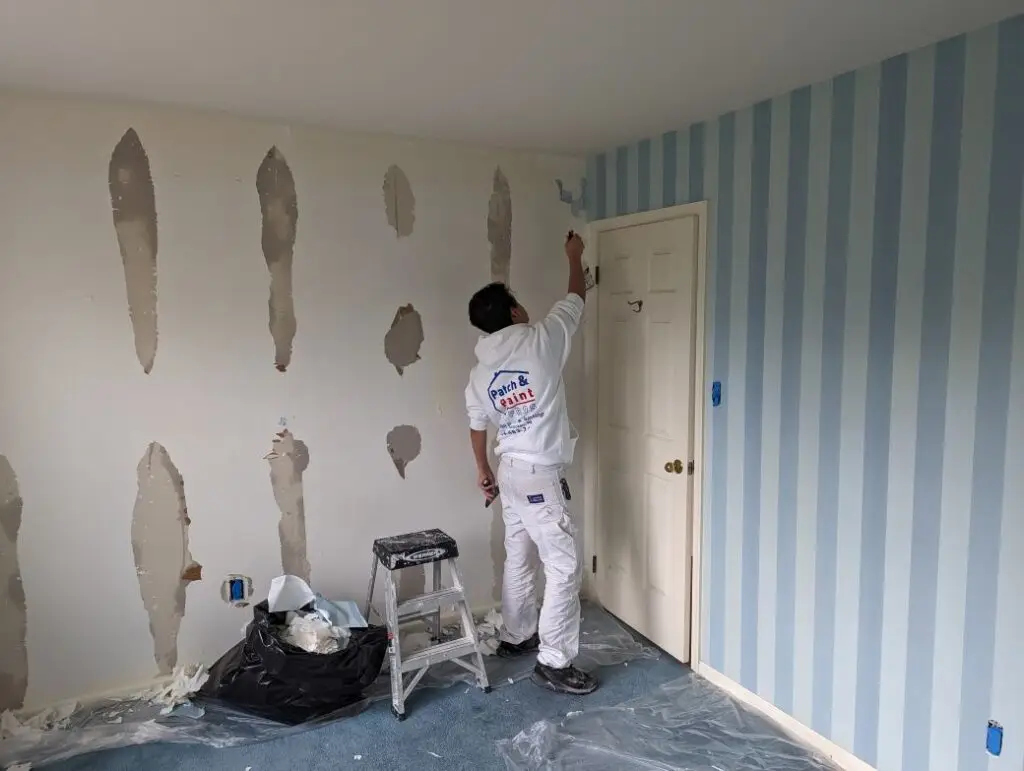
Light prep is roughly a couple of hours per room and often includes caulking, fixing small nail pops and picture-hook holes, and sanding before painting.
Nail pops and stress cracks can mean a half day to a full day of prep per room. A full corner-to-corner skim after wallpaper is removed is a different job entirely. When we say prep, we mean it, including sanding, written on the estimate. If you remove a surface from scope, the number should drop by a real line item (often hundreds of dollars), not a vague “discount.”
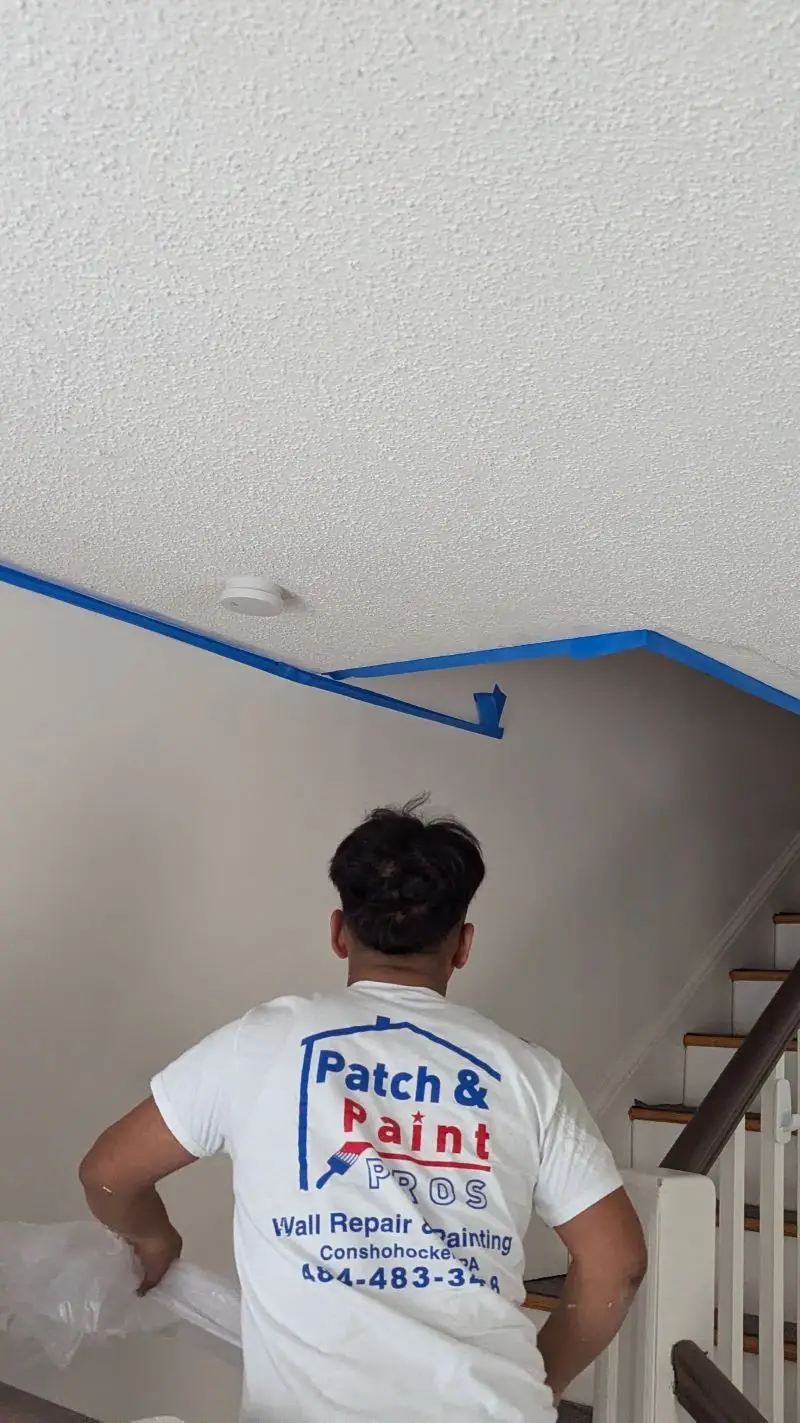
Dust control is part of that setup: 12-ft painter plastic is placed on doorways and stairs, floors are covered, and furniture is protected. It is why a “quick paint” quote that skips plastic and sanding is not the same job.
Historic Plaster and a la Carte Repair.
There is no such thing as a perfect wall, especially not a 110-year-old plaster wall. A “perfect” finish (the kind you hunt with a halogen and a headlamp) costs about twice as much as a clean new-color job on sound walls.
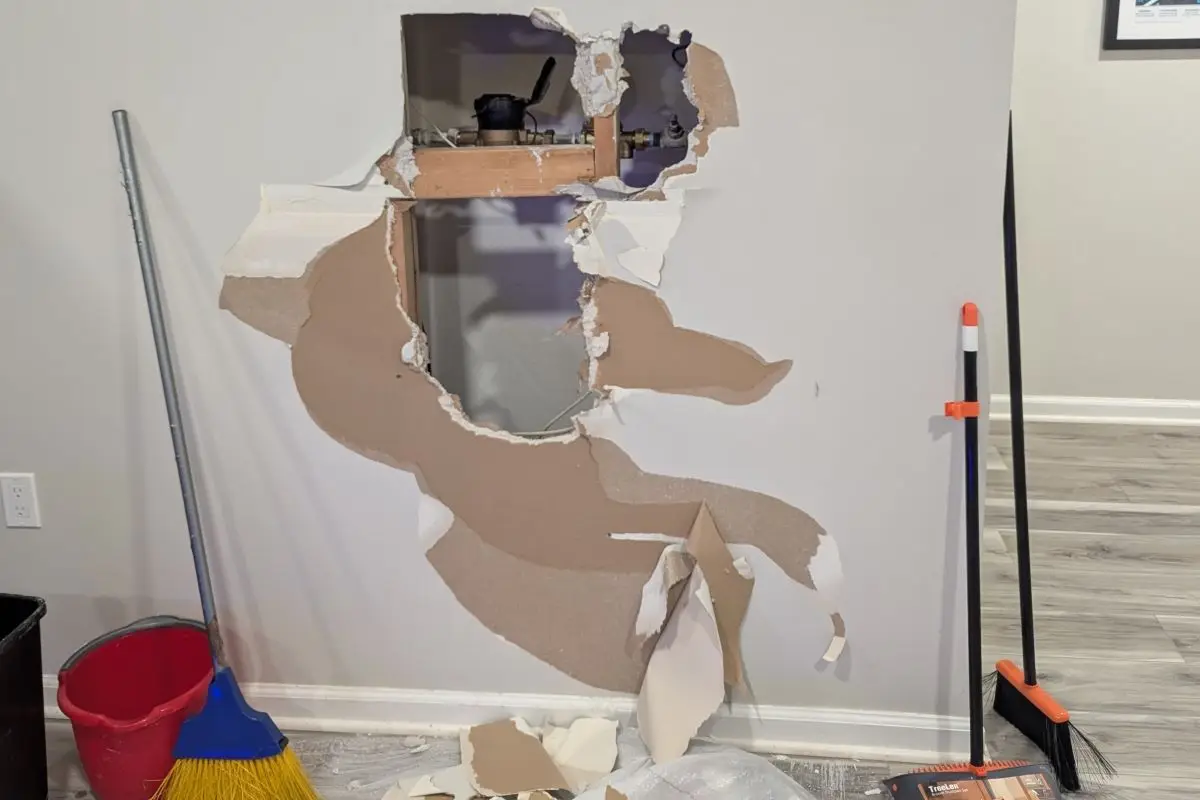
The industry standard we bid to is a nice, even finish from normal viewing height. Heavy skim, texture decisions (maintain original texture vs. smoothing), electrician rewires that patch every room, drywall repairs, and phased floor-by-floor work can push a renovation package well above the $15,000-$20,000 paint-only band, sometimes into the tens of thousands more.
We price a la carte, then offer bulk or phased options once you decide how much of the house moves forward. Tell the estimator what “done” looks like before anything is locked.
Big Volumes and Detail.
Two-story foyers, open family rooms, and spindle work eat crew-days. Those spaces often deserve their own line on the estimate, not a blurred average.
Coat Strategy.
Our default is two coats on ceiling, walls, and trim with Sherwin-Williams Emerald named on the estimate, not “premium paint.” Matching existing colors may not need a full two coats everywhere; we say so when that is true so you are not paying for theater. Compare coat strategy apples-to-apples across bids.
Insurance vs. Out-of-Pocket.
After water damage or a carrier estimate, we can split scopes. For example, we can include insurance-covered rooms and stairwells on one quote, and garage, trim, or upgrades you are paying yourself on another, so reimbursements stay clean.
For repair-heavy homes, drywall and plaster work is scoped so you can see where the money goes versus a straight interior paint refresh. Sequencing with other trades is covered on our Homebuyer’s Renovation Roadmap.
What Should a Painting Estimate Include so Nothing Gets Missed?
A usable estimate lists every room or area, and whether ceiling, walls, and trim are in scope. It should say how coverage is guaranteed (number of coats or a coverage guarantee), name the paint line, not just “premium paint,” and spell out prep.
How we write it in practice: the estimate includes the cost of premium Emerald from Sherwin-Williams and two coats on ceiling, walls, and trim (with notes when matching colors may need less). Benjamin Moore or another specified line can be substituted on request.
On our estimates, included prep is written at the top:
- Sanding before paint
- Caulk cracks along trim
- Fill small nail pops and picture-hook holes
- Oil-prime water stains so they do not bleed back
- Cover floors, protect furniture, and control dust (including 12-ft plastic at doorways and stairs when the job needs it)
- Return the house clean
If a line just says “prep included” with no steps, it is not comparable to a detailed estimate. Omitting a section should change the number by a real amount; that is how scope cuts work.
How Do I Compare Two Quotes That Look Totally Different?
Do not compare the bottom line first. Two quotes on the same address are often pricing two different jobs. Normalize scope: same rooms, same surfaces, same coat count, same paint tier, same written prep steps (including sanding), same cleanup, and same empty-versus-furnished assumptions.
We refine price when scope clarifies, for example, when wall square footage is smaller than assumed, or when a small adjustment closes a fair comparison. That is different from chasing a cash bid that never listed product, coats, or prep. Match the job first; then talk number.
Our estimate is our contract. Reply to confirm, then we send deposit details, and Meredith can schedule. Share deadlines and other projects so we can coordinate. Once started, our crews stay until finished. If a Saturday finish is what the calendar needs, we can run that option rather than leaving you with an open punch list into listing photos or a move-in weekend.
Year-old quotes are not automatically locked. Materials and scope drift; Ryan or Matt will reevaluate and re-walk if needed.
If the gap still looks like “who is actually in the house,” read our blog on a Real Painting Company vs. a Sales Franchise.
What Is a Fair Deposit, and When Is the Rest Due?
Our standard is 50% to start, and the balance is due when the job is done and you are happy. We state the dollar amount clearly (for example, $1,950 on a $3,900 job). Smaller deposits or splitting the job into thirds are possible when the situation calls for it, including if you have been burned before.
Cards are available (about 1.5% fee); check or Zelle is preferred. We also ask whether you will be staying out of the house during the project, as vacancy changes how we stage rooms and protect the rest of the home.
You will be on a first-name text basis with Ryan, estimator/project manager Matt, or the office (Meredith and Connie). If something looks off, send a photo. We come back and make it right.
How Long Does a Full Main Line Interior Paint Job Take?
A typical full-interior Main Line home is a 2-3 week project. A two-person crew often needs about two weeks for a major interior scope; larger crews compress the calendar. Interior and exterior can overlap, so a combined plan may run roughly 2-4 weeks overall depending on crew size. When there is room to work, we can put four or more painters on site.
Tight move-in dates are common. We hold one or two rooms (such as the laundry room and master bath) for late trades and finish the rest of the house so you can move in as scheduled. Once we start, crews stay until finished; a Saturday finish is available when the deadline needs it.
Want a room-by-room map for your address? Call (484) 483-3468 (office 8am-5pm on weekdays; after-hours relay).
Is Paint Included, and Can I Specify Benjamin Moore?
Yes, paint is included. These ranges assume Sherwin-Williams Emerald, named on the estimate, typically two coats on ceiling, walls, and trim. Default sheen on most walls is Emerald washable flat: durable, touch-up friendly later, and kinder to older plaster than a shiny sheen that spotlights every ripple.
We are open to Benjamin Moore or another specified line on request. That is a material conversation on the estimate, not a bait-and-switch after the deposit. If you already have leftover Emerald from a prior job, that is also useful later for touch-ups.
Should You Paint Before or After New Hardwood Floors?
The ideal order is paint first, flooring last. That protects the new floor from drips, ladders, and trade traffic. The usual caveat is shoe molding (quarter round): after the flooring crew finishes, we come back for a day or two to paint the shoe molding and do touch-ups other trades leave behind.
What happens on real renovations: floors often must go first because of appliance installs, GC schedules, or refinish decisions. In those cases, we paint after the floors are installed, schedule the return as soon as the flooring date is firm, and keep Meredith or Connie in the loop with your flooring partner. If you have to move in first, need to start a new job, have kids starting school, or have a lease ending, we can paint around furniture and protect existing floors. Deadlines win. Tell us the move-in date, and we will work the sequence around it.
Should I Paint Before Selling, or Just Touch Up?
If walls are scuffed, rooms are a bold custom color, or the exterior is peeling, a real repaint usually pays, not because paint magically adds a fixed dollar amount, but because it stops buyers from mentally discounting. If the house is already clean and neutral, a targeted touch-up may be enough. Timing, colors, interior-versus-exterior if the budget forces a choice, and what a pre-list estimate includes are on “Should You Paint Before Selling on the Main Line?
Ready for a Number on Your House?
Ranges on this page are a starting point for Main Line and greater Philadelphia suburb interiors in 2026. Your estimate should read like a scope document, Emerald by name (or BM if you asked), coat counts, sanding and prep spelled out, and paint included, not a mystery total.
Call (484) 483-3468 to set up a call or estimate with Ryan or Matt. Office hours are weekdays 8am-5pm; after hours, our answering service relays messages so you still get a callback. Virtual estimates from photos and rough room sizes are available when you cannot get us on site before closing.
You can also request a free estimate online.